June 15, 2026
In the realm of automotive preservation, vehicle bumpers function as the primary structural line of defense against unexpected impacts and minor road hazards. Because they are deliberately engineered to absorb mechanical energy during an impact, these exterior components sustain wear and tear far more frequently than any other body panel. Unfortunately, many motorists treat minor cosmetic scuffs or minor plastic fractures as low-priority blemishes, ignoring the fact that hidden structural or sensor degradation can severely compromise vehicle safety systems.
Executing timely bumper repairs is essential for maintaining the overall crashworthiness, aerodynamic efficiency, and resale valuation of your automobile. Modern bumper assemblies are highly complex networks integrating impact-absorbing foams, flexible polyolefin plastics, and advanced driver-assistance system (ADAS) radar modules. Understanding the precise engineering methodologies used to remediate common damages empowers car owners to make smart, data-driven decisions regarding fleet maintenance. Whether dealing with superficial clear coat scrapes or deep structural splits, identifying the correct restoration pathway is the baseline requirement for ensuring long-term highway safety. Continue reading to learn more about bumper repairs and how a professional does it the right way.
1. Superficial Bumper Scratches and Abrasions
Superficial abrasions represent the most frequent cosmetic issues addressed by modern collision facilities. Automotive bumpers are typically fabricated from thermoplastic olefins (TPO) or polycarbonate blends, covered by a multi-layered finish comprising an adhesion promoter, a pigment basecoat, and a protective polyurethane clear coat. When an object scratches this outer interface, identifying the exact depth of the gouge dictates the remediation protocol.
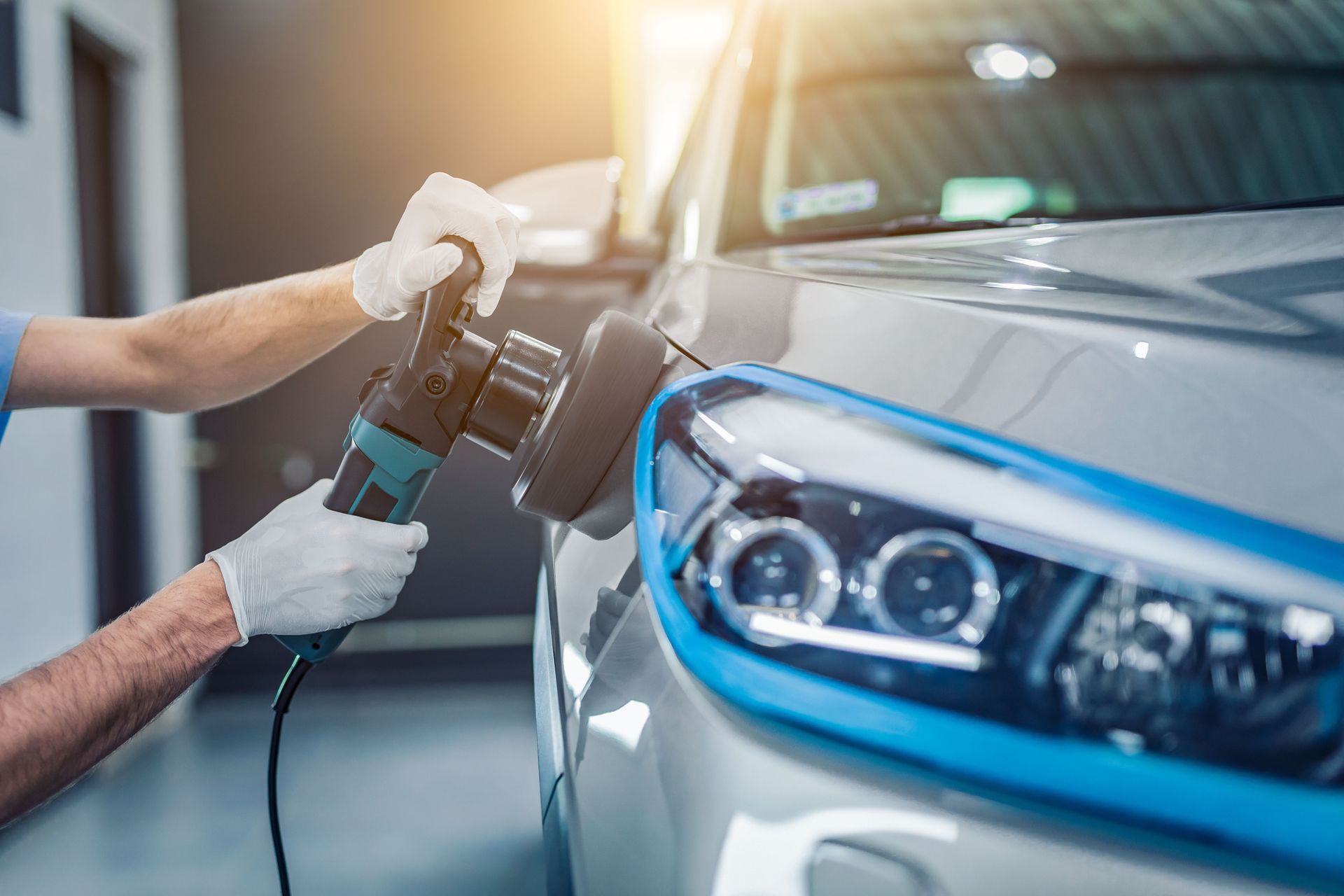
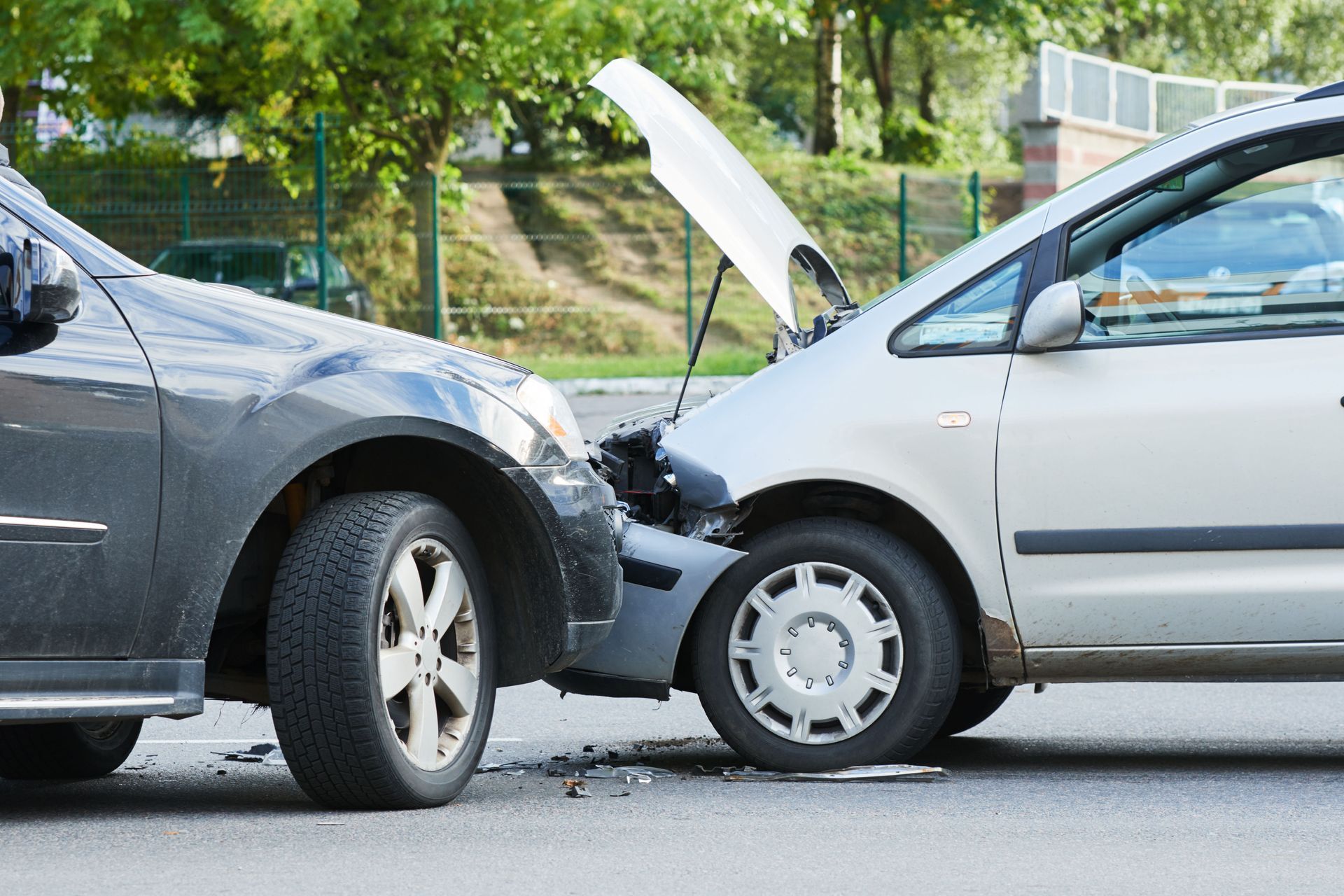
Minor scuffs that remain trapped within the clear coat layer can be polished away using fine-grit abrasives. However, deeper gashes that penetrate down to the raw black plastic require structural re-priming and precision spray blending to block moisture and UV degradation. These minor impact zones are exceptionally common across congested commuter environments. According to the NHTSA, 7% of all cars on the road sustain damage in unreported low-speed collisions. This national metric underscores how frequently minor fender-benders leave vehicles with subtle, unaddressed paint damage that slowly undermines the substrate's structural integrity.
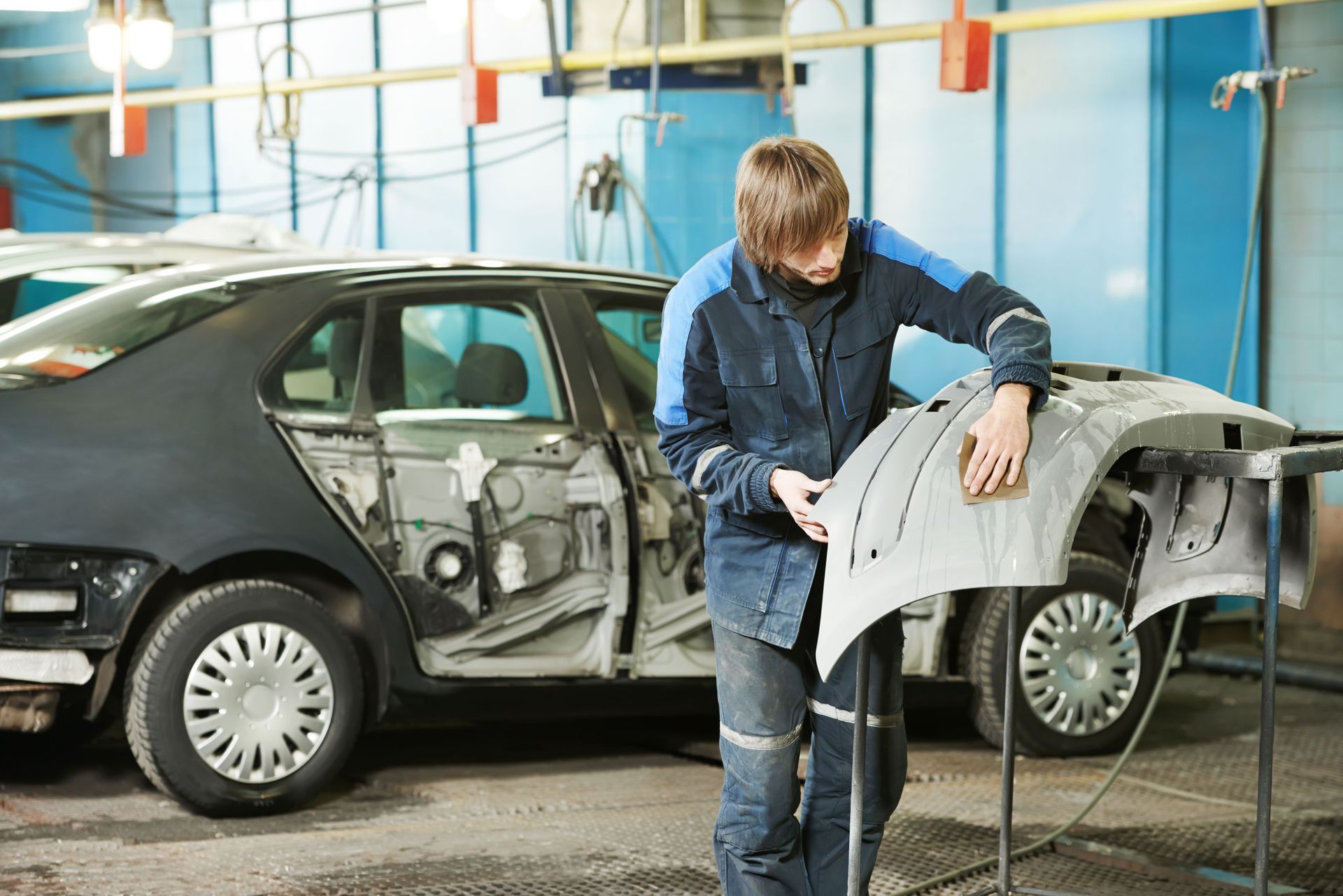
Remediating localized paint friction for bumper repairs requires a highly systematic, climate-controlled refinishing protocol. Technicians begin by decontaminating the target area with specialized wax and grease removers to eliminate road tar and chemical silicone residues. Once clean, fine-grit orbital sanding tools feather the edges of the scratch, creating a smooth visual transition into the surrounding factory paint matrix.
2. Plastic Deformation: Dents and Creases
Plastic deformation occurs when a low-speed impact forces the flexible bumper cover past its mechanical yield point, resulting in an ugly dent or structural crease. Because modern bumper covers possess an internal "material memory," technicians can often manipulate the molecular structure of the plastic to restore its original shape without deploying heavy body fillers. This non-invasive structural restoration process relies on the calculated application of heat. Using industrial heat guns or controlled infrared lamps, technicians raise the surface temperature of the deformed TPO plastic until it becomes highly pliable and responsive to manual reshaping.
Once the plastic reaches its optimal thermal threshold, specialized suction tools or custom-shaped dolly blocks are used to carefully pop the dent back out. If the plastic memory has been severely stretched or creased, a thin layer of specialized structural body filler blended with flexible epoxy resins is applied over the area.
3. Structural Fractures: Cracks and Splits
When an impact force exceeds the maximum tensile strength of a plastic bumper cover, the material fractures, resulting in deep splits or structural tears. Attempting bumper repairs, these severe structural failures using cheap retail adhesives or brittle body fillers will inevitably lead to premature cracking under daily driving vibrations. Instead, professional body shops deploy advanced plastic welding techniques to physically fuse the fractured edges back into a singular, monolithic unit. Technicians utilize specialized plastic welding irons or hot-nitrogen gas delivery systems to melt the immediate edges of the split simultaneously.
During this fusion process, an arborist of metal structures inserts a matching TPO or polycarbonate reinforcement rod directly into the molten joint matrix. To maximize the structural integrity of the joint, high-strength stainless steel reinforcing mesh is embedded directly into the back interface of the bumper cover. This multi-layer welding process forms a localized bond that matches or exceeds the original tensile strength of the factory plastic, ensuring the finalized component can fully withstand structural highway wind loads and minor parking lot vibrations without re-splitting.
4. Bumper Cover Misalignment and Clip Restoration
Even if a bumper cover displays zero external paint blemishes or plastic fractures after a low-speed collision, the impact force can easily shear off the internal mounting brackets, resulting in panel misalignment. Symptoms of this underlying structural shifting include uneven gaps along the fender lines, loose lower valances, or persistent rattling sounds at highway speeds. Remediating a misaligned bumper cover requires a complete teardown of the assembly, allowing structural technicians to inspect the hidden impact energy absorbers and the vehicle's underlying steel frame rails for latent structural displacement.
If the underlying metal structure remains completely straight, the realignment process shifts to replacing the fragile, one-time-use plastic retainer clips and mounting brackets. Technicians remove the compromised fasteners using specialized trim pullers, aligning the bumper cover precisely with the vehicle's factory body lines before securing it with fresh, OEM-grade impact clips.
5. Full Bumper Cover Replacement Criteria
When an automobile sustains severe, high-energy impact damage, executing standard bumper repairs may no longer be a safe or financially viable option. Internal insurance safety parameters and structural engineering guidelines dictate full component replacement when the plastic cover experiences structural tearing across major structural mounting zones, severe internal reinforcing bar cracking, or permanent thermal warping that resists standard heat manipulation. Attempting to fix a heavily compromised bumper cover alters its engineered mechanical failure profile, meaning the system will fail to properly manage impact forces during a secondary collision.
When a full replacement is mandated, utilizing Original Equipment Manufacturer (OEM) bumper covers is highly recommended to guarantee absolute compatibility and perfect dimensional fitment. While generic aftermarket alternatives can provide initial financial savings, they frequently lack the uniform plastic density and specialized internal sensor mounts required for flawless ADAS performance. Once the fresh raw component is secured, refinishing technicians execute identical multi-layer painting, color-matching, and clear-coating processes before mounting the calibrated unit securely onto the vehicle chassis.
Navigating the multi-layered options of modern automotive restoration requires moving past basic cosmetic fixes to execute highly disciplined, technically compliant bumper repairs. Whether your vehicle requires precise, clear coat blemish blending, advanced thermoplastic memory reshaping, hot-nitrogen plastic welding fusion, or comprehensive component replacement, choosing the correct engineering pathway protects your long-term capital investment. By managing these everyday impact liabilities through a systematic, professional approach, motorists can easily keep their vehicles running safely, lower lifecycle maintenance costs, and ensure all integrated safety telematics remain perfectly calibrated.
When the structural protection, aesthetic value, and highway safety of your vehicle are on the line, relying on cheap, uncertified repair garages or unbonded mobile operators can result in hidden frame tracking issues, mismatched paint colors, and dangerous ADAS sensor blind spots. High-performance collision restoration demands computerized spectrophotometers, down-draft baking booths, and factory-trained structural technicians. To ensure your vehicle's safety profiles are restored flawlessly according to strict factory specifications using premium materials, entrust your upcoming bumper repairs to the absolute master craftsmanship of Aker's Paint & Body.