April 15, 2026
If you get into an accident or experience some sort of vehicle body damage, don't leave it up to chance or rely on DIY methods to take care of things. It's important to understand the different types, procedures, and innovations in this field that can help car owners and enthusiasts make smart choices about auto body repairs. Here are just a few things to keep in mind when you bring your car to a professional shop, so consider some of these detailed aspects of managing and repairing structural damage in vehicles for safer and more cost-effective driving.
Understanding Frame and Structural Damage
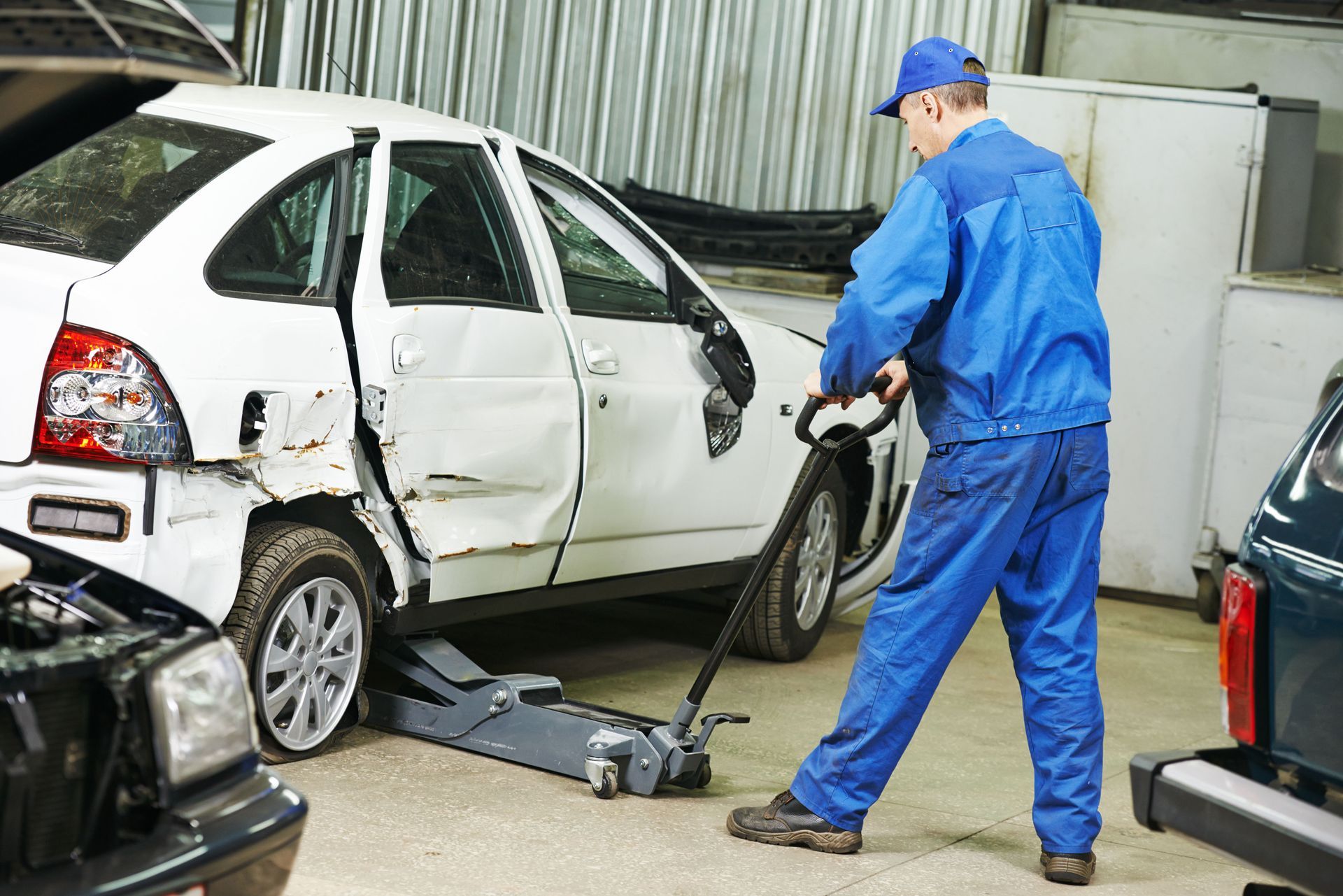
Frame damage refers to any structural impairment to a vehicle's underlying framework, which can compromise its safety and integrity. There are several types of frame damage, including minor cosmetic dents and severe structural deformities. Unibody and ladder frame structures are the two primary types of vehicle frames, each with distinct characteristics and vulnerabilities. Understanding these distinctions is crucial because each requires different repair strategies and logistic considerations. Recognizing the type of frame and the extent of damage helps in deciding the appropriate course of action, ensuring the effective restoration of safety and functionality.
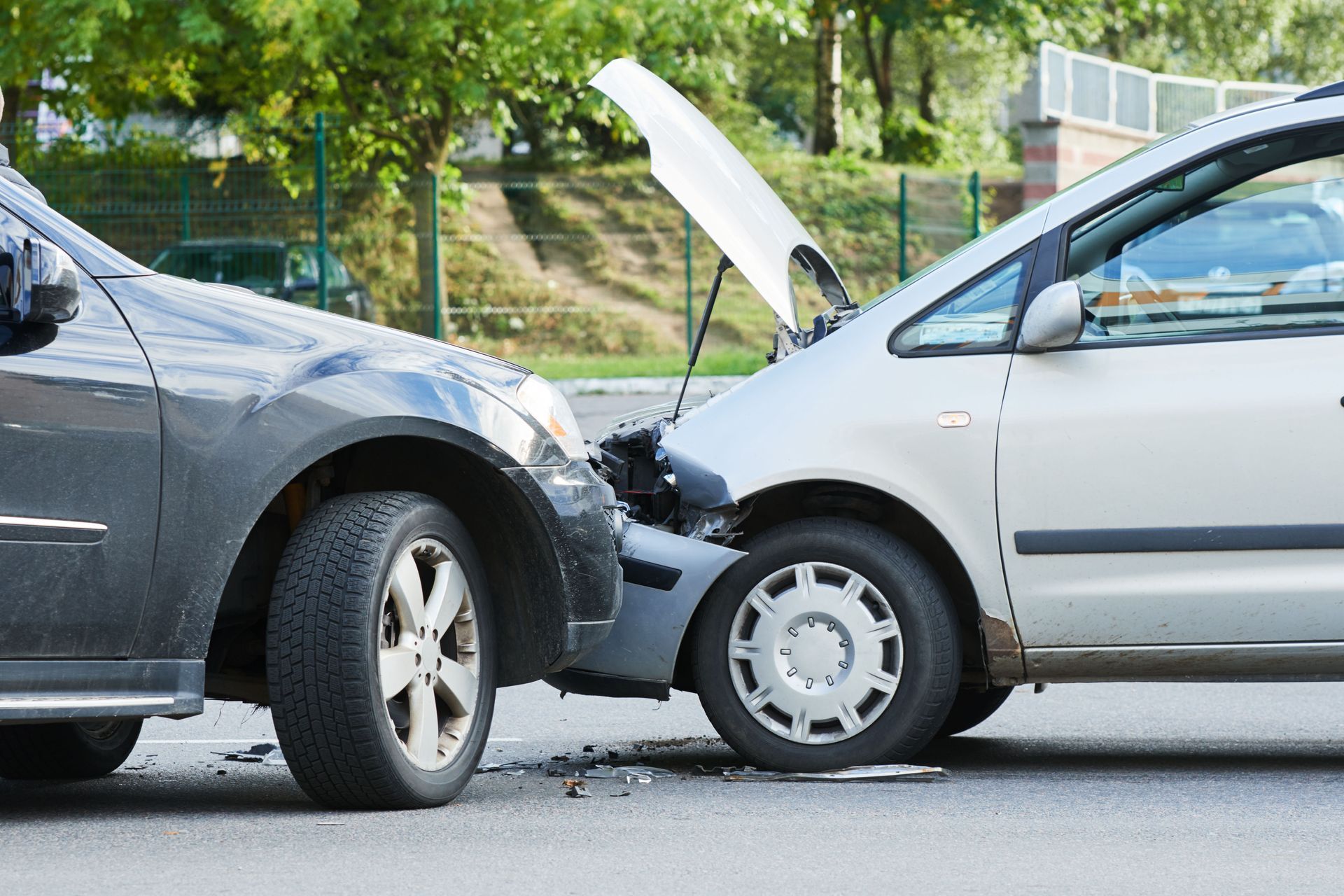
Structural damage in vehicles can be caused by a variety of factors, including collisions, poor road conditions, and improper towing techniques. In more severe cases, extreme weather conditions such as hailstorms or heavy snowfall can also lead to significant structural damage. Environmental factors such as corrosion from salted roads or moisture can further exacerbate frame integrity issues over time. It is essential for vehicle owners to understand these potential hazards and the conditions that may lead to structural damage.
Early identification of structural damage is crucial in preventing more severe issues later on. Catching the damage early allows for more straightforward, often less expensive repairs. Delayed identification can lead to increased repair costs and even compromise the vehicle's safety, especially during high-speed operations.
Getting an Assessment and Diagnosis of Damage
Initial inspections are critical in the assessment process as they set the foundation for further analysis. Automotive repair professionals often conduct a visual inspection looking for obvious signs of damage such as misaligned panels or unusual tire wear. This inspection is followed by a more in-depth examination using diagnostic tools to detect hidden issues. Developing a comprehensive initial assessment ensures that no damage goes unnoticed and helps in planning efficient repairs.
Modern auto body repairs rely heavily on advanced diagnostic tools and technologies. These innovations allow for precise analysis of structural damage, far beyond what the naked eye can see. Laser measuring systems, for example, provide detailed three-dimensional views of the vehicle's frame, highlighting even the slightest misalignments. Computerized diagnostics offer valuable insight into how the damage may have affected electrical systems and other internal mechanisms. Employing cutting-edge diagnostic tools ensures comprehensive damage assessments and underlines the importance of investing in technology for accurate results.
Interior damage assessment is just as important as evaluating exterior and structural issues. During a thorough inspection, technicians also examine elements like carpets, headliners, and door panels to identify safety concerns, wear, or hidden damage caused by impact. According to industry analysis from Future Market Insights, these interior and exterior components accounted for around 18.5% of collision repair parts demand in the U.S. and Canada in 2025, highlighting how frequently they require attention after accidents.
Deciding on Repair Techniques and Methodologies
Repair techniques have significantly evolved over the years, with modern methodologies offering improved precision and efficiency. Traditional methods often involve manual labor and basic realignment tools, suitable for minor issues. However, modern repair shops utilize computer-aided frameworks and laser-guided equipment for structural repairs, addressing more complex damages with high accuracy. Understanding these differences helps car owners select the most effective approach for the specific damage type.
Welding and replacement are cornerstone processes in structural auto repairs. Welding involves joining metal parts, crucial for restoring a vehicle's structural rigidity. Replacement is often necessary when parts are irreparable, ensuring both safety and performance are preserved. Both processes require skilled technicians to avoid compromising the vehicle's structural integrity. Combining these methodologies effectively can restore a vehicle to its pre-damage condition, highlighting the importance of expertise in auto body repairs.
The integration of technology in auto repairs allows for unprecedented precision in addressing structural damages. Equipment like frame straightening machines use computerized systems to detect deviations and correct them with millimetric precision. Virtual reality and 3D modeling are emerging technologies that assist technicians in visualizing repairs before execution, reducing human error. Embracing these technological advancements ensures repairs not only restore appearance but maintain optimal safety standards.
Considering Cost and Financial Applications
Several factors influence the cost of auto body repairs, including the extent of damage, vehicle model, and the chosen repair shop's expertise. Replacement parts and their availability can also significantly affect repair expenses. Local labor rates, as well as additional services like towing and storage, contribute to the overall cost. Understanding these factors enables car owners to estimate potential expenses and make budgeting arrangements accordingly.
Comparing repair and replacement costs can guide car owners in making sound financial decisions. Repairing a vehicle is often more cost-effective, especially when damages are minor. However, severe structural damage may necessitate replacement to ensure safety and longevity, which can be costlier upfront but worthwhile long-term. Considering depreciation and the vehicle's overall condition helps in making informed choices.
Insurance coverage plays a pivotal role in offsetting repair expenses, making an understanding of the claims process essential for car owners. Policies vary significantly in what they cover, affecting repair decisions and financial outcomes. Documenting the damage thoroughly and communicating effectively with the insurance company expedites the claims process. Familiarity with the nuances of auto body insurance policies aids in maximizing benefits and minimizing repair costs.
Choosing the Right Auto Body Shop
Choosing the right auto body shop involves evaluating several essential criteria to ensure quality service. A reputable shop typically provides transparency in estimates, detail-oriented service, and a customer-centered approach. Experience and specialization in structural repairs are crucial, as these require specific skills and knowledge. Proximity and ease of communication with the repair shop also play vital roles in seamless service.
Certifications and continuous training are critical factors in evaluating an auto body shop's credibility. Well-trained technicians are better equipped to handle modern repair tools and align their practices with up-to-date industry standards. Certifications from recognized automotive institutions signify that the shop adheres to high levels of quality and professionalism. Ensuring the technicians undergo regular training further indicates their commitment to exceptional service and customer safety.
Customer reviews play an integral role in assessing a repair shop's reputation and reliability. They provide firsthand insights about the quality of service, cost expectations, and overall customer satisfaction. Examining both positive and critical feedback enables more balanced understanding and aligned service expectations. Word-of-mouth recommendations from friends and family further underline a shop's trustworthiness. Conducting reputation checks empowers customers to select reputable shops, ensuring dependable and effective repair experiences.
Auto body repairs for frame and structural damage play a critical role in maintaining vehicle safety and overall performance. When drivers understand how damage is assessed, what costs may be involved, and which repair methods are used, they are better equipped to make confident, informed decisions. Ongoing maintenance and timely repairs help preserve a vehicle's longevity while promoting safer driving conditions. If your vehicle needs professional attention, contact Aker's Paint & Body today to schedule an inspection and ensure your car is restored to safe, reliable condition.