April 16, 2026
Navigating the aftermath of an accident can feel overwhelming, but understanding the auto collision repair process helps reduce uncertainty. Knowing what happens at each stage allows you to make informed decisions and feel confident about your vehicle's restoration. With the right expectations, you can move through the process with less stress and better results. This guide walks you through each step in a clear, practical way.
Insurance Claims and Initial Assessments
Insurance plays a central role in the auto collision repair process, so reviewing your policy is an important first step. Take time to understand what is covered, what your deductible is, and whether your insurer recommends specific repair shops. Being prepared with this knowledge can make the entire experience smoother.
When filing a claim, it is important to act quickly. Most insurers allow claims to be submitted through:
- Phone calls
- Online portals
- Mobile apps
Providing clear documentation, such as photos of the damage and accident details, helps speed up approval. After submission, an adjuster typically evaluates the damage and outlines the next steps.
Choosing the right repair shop is equally important. Consider the following factors:
- Reputation and customer reviews
- Certifications and trained technicians
- Proximity to your home or workplace
- Experience with auto collision repair services
Once selected, the shop performs an initial inspection and provides an estimate. According to Straits Research, replacement components like bumpers, grilles, and fenders accounted for 62.6% of the global collision repair market by product segment in 2025, highlighting how often exterior parts need replacement after accidents.
It is also helpful to ask questions during this stage. For example, you can ask about estimated timelines, parts sourcing, and communication updates. A transparent shop will clearly explain expectations and keep you informed throughout the process.
Disassembly and Further Inspection
After the initial estimate, technicians begin disassembly to uncover hidden damage. What appears minor on the surface may involve deeper structural or mechanical issues. This step ensures nothing is overlooked before repairs begin.
During this phase, technicians may discover:
- Frame or structural misalignment
- Internal mechanical damage
- Electrical system issues
If additional damage is found, the repair estimate is updated and sent to the insurance company for approval. While this can extend the timeline, it ensures the vehicle is restored properly and safely.
Communication is key during this stage. A reputable shop will:
- Provide updated estimates
- Explain newly discovered issues
- Keep you informed about timeline changes
Patience is important here, as thorough inspections prevent future problems and ensure a complete auto collision repair outcome. This step ultimately protects your investment and ensures your vehicle performs as intended once repairs are complete.
Repair Process
The repair phase is where your vehicle begins to take shape again. This stage involves several detailed steps that restore both safety and appearance.
Structural Repairs
Structural repairs are the foundation of the entire process. Technicians use specialized equipment to realign the frame and restore it to manufacturer specifications. This step is critical because even slight misalignment can affect safety and performance.
Bodywork and Panel Replacement
Next, damaged exterior components are repaired or replaced. This may include:
- Doors
- Panels
- Bumpers
- Fenders
Given how frequently these parts are replaced, this step is one of the most common in auto collision repair services. Skilled technicians ensure all components fit seamlessly with the vehicle's design.
Paint Matching and Application
Paint restoration requires precision. Technicians use advanced color-matching systems to ensure the new paint blends perfectly with the original finish. The process typically includes:
- Surface preparation
- Color matching
- Paint application
- Clear coat sealing
The result is a smooth, consistent appearance with no visible differences.
Mechanical Repairs
Mechanical systems are also inspected and repaired as needed. This can include:
- Brakes
- Suspension
- Engine components
Each repair ensures the vehicle operates safely and efficiently.
Quality Control Check
Before moving forward, technicians perform a detailed inspection to confirm all repairs meet safety and quality standards. This step ensures the auto collision repair process is completed correctly.
In many professional facilities, this stage may include computerized diagnostics and alignment verification. These tools help confirm that every system is functioning properly and meets manufacturer guidelines.
Reassembly and Detailing
Once repairs are complete, the vehicle is carefully reassembled. Every component is reinstalled with precision to ensure proper function and alignment.
Technicians focus on:
- Securing bolts and fasteners
- Reconnecting electrical systems
- Verifying internal and external components
After reassembly, attention shifts to finishing touches.
Final Paint and Finish
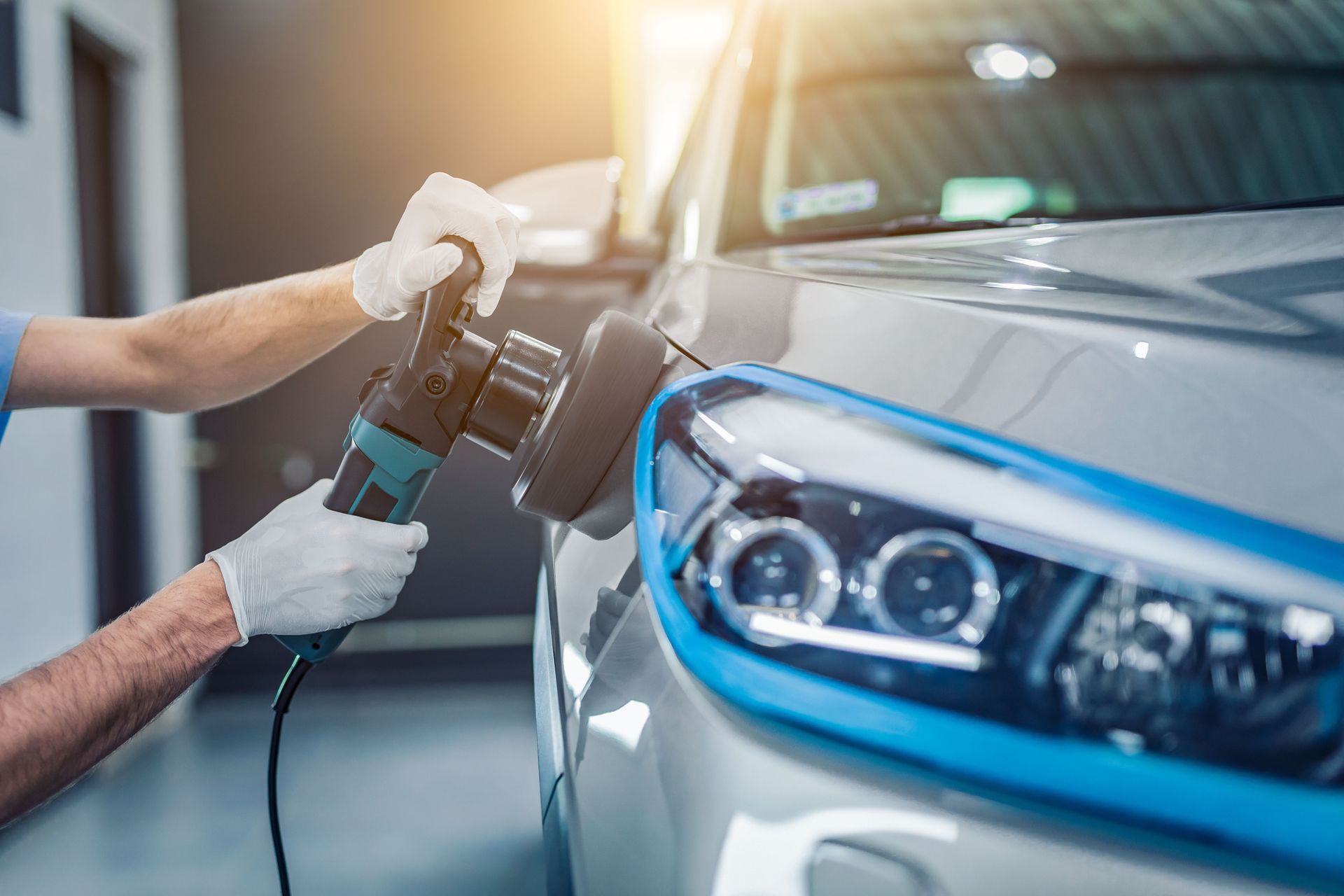
The vehicle undergoes polishing and buffing to create a smooth, glossy finish. This ensures the repaired areas blend seamlessly with the rest of the car.
Interior and Exterior Detailing
Detailing enhances both appearance and cleanliness. This includes:
- Interior vacuuming and cleaning
- Dashboard and upholstery care
- Trunk and storage area cleaning
- Exterior washing and waxing
A properly detailed vehicle not only looks great but also reflects the professionalism of the repair shop.
Post-Repair Inspection and Customer Handoff
Before returning the vehicle, a final inspection ensures everything meets expectations. Many shops encourage customers to participate in this step.
During the inspection, you should:
- Check for cosmetic consistency
- Test basic functions
- Ask questions about repairs
Reviewing documentation is also important. This includes:
- A list of completed repairs
- Parts replaced
- Warranty details
Understanding this information helps you maintain your vehicle and provides clarity for future service needs.
The payment process typically involves settling any remaining balance, such as deductibles. Some repair shops coordinate directly with insurance companies, simplifying the process.
Additionally, technicians may provide guidance on how long to wait before washing or waxing your vehicle after repairs. Following these recommendations helps preserve the quality of the finish.
Aftercare and Maintenance Tips
Once your vehicle is back on the road, proper care helps maintain the results of your auto collision repair.
Immediate Post-Repair Checks
After driving your vehicle, pay attention to:
- Unusual noises
- Handling changes
- Warning lights
If anything seems off, contact the repair shop promptly.
Routine Maintenance
In addition to routine maintenance, it is important to stay mindful of how your vehicle feels during everyday driving. Subtle changes in steering response, braking performance, or alignment can indicate that adjustments are needed after the auto collision repair process. Addressing these concerns early can prevent uneven tire wear and ensure your vehicle continues to operate safely. Consistent attention to these details not only protects your recent repairs but also contributes to a smoother and more reliable driving experience over time.
Maintaining your vehicle helps preserve its value and extend its lifespan. Key recommendations include:
- Checking fluid levels regularly
- Monitoring tire pressure
- Following manufacturer service schedules
Keeping detailed records of repairs and maintenance also supports long-term value.
Understanding Your Warranty
Your repair warranty provides peace of mind. Be sure to:
- Review coverage details
- Understand time limits
- Report issues promptly
Preventative care, such as regular washing and minor touch-ups, can also protect your vehicle's appearance and prevent future damage.
You may also benefit from scheduling periodic inspections after major repairs. These check-ins ensure that all systems continue to perform as expected and allow technicians to catch minor issues before they become larger concerns.
A Smooth Road Back to Confidence
The auto collision repair process may seem complex, but each step plays a vital role in restoring your vehicle's safety, performance, and appearance. From filing an insurance claim to final detailing, understanding what to expect helps you stay informed and confident throughout the journey. By choosing experienced professionals and staying engaged throughout the process, you can ensure the best possible outcome for your vehicle. When you are ready to restore your vehicle with expert care, trust Aker's Paint & Body to deliver reliable, high-quality results.